Introduction
In a world where masculinity is not simply a trait or individual disposition, representation and its ways are essential. Social, cultural and historical forces deeply influence masculinity. And in the case of Black masculinity, this interplay becomes far more complex. There are factors like gender identity, cultural heritage and social constructions that come into play while defining black masculinity. The experiences shared by Black men worldwide are not the same, not stereotypical and definitely one of a kind. To put it blatantly, how Black men are seen and how they see themselves are highly shaped by cultural narratives, power relations and visual practices.
Historical and Social Foundations
Studies reveal how Black masculinity has been shaped across the ages while relating to dominant, often white norms of gender expression and racial oppression. As one overview puts it, Black masculinity studies “began with an emphasis on how Black males contended with hegemonic masculinity in the face of systemic racial discrimination.” (annualreviews.org)
The intersection of race, gender and class puts an abnormal pressure and constraint on this community. Black men are expected to conform to certain ideals, and oftentimes prejudice takes first place while evaluating them, even for a job. The “breadwinner, strong, stoic” picture is the first idea that pops up with a simultaneous stereotype of devalued masculinity and criminalisation of the race.
The Oxford Review’s definition underscores that Black masculinity is not monolithic: it is mediated by cultural heritage, social construction and individual identity. (The Oxford Review - OR Briefings) Because of the specific historical context of colonialism, slavery, Jim Crow, mass incarceration, and media representation, the visuals around Black men carry weight far beyond the personal: they signal cultural meaning and racialised power.
Visual Culture and Representation
Visual Culture refers to the films, photographs, television, ads, music and art videos that play a pivotal role in managing our perspective on several issues. The same goes for producing and circulating the images of black men. The media, for a very long time, has portrayed black men in a non-natural way, reinforcing stereotypes, enabling norms that are not accurate, and even placing an identity on them. If seen closely, it is possible to trace recurring themes of hyper-visibility and invisibility, threat and vulnerability, strength and emotional suppression, stereotype and resistance.
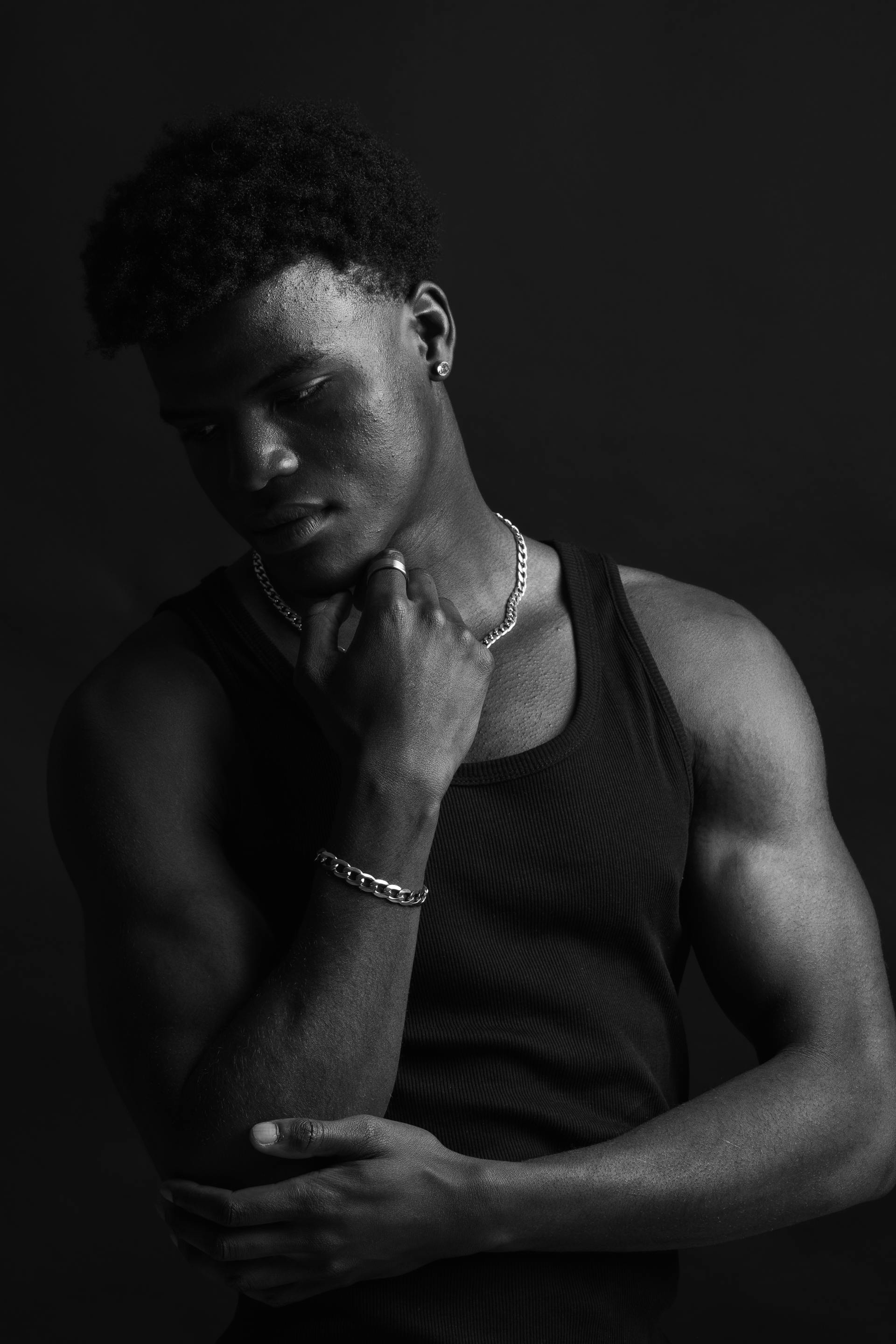
Media in its entirety, however, provides an aesthetic and structural framework for the idea of any person, including the black man. In the essay collection “Visual Culture and the Black Masculine”, Keith M. Harris argues that film (and by extension all visual media) must be understood historically, politically and aesthetically: when we speak of Black masculinity in film, “we speak about the aesthetic, historical and political legacies of the medium itself and the cultural context in which the medium is produced and in which it circulates.”
The key point: representations are never just passive images; they carry meanings, they reproduce or challenge social hierarchies, they make some bodies visible and others invisible.
In the 2017 thesis from Kennesaw State University titled Black Masculinity Media Representation as Seen in Netflix, the author observes how newer streaming platforms still reproduce longstanding tropes about Black men — the hyper-masculine, the criminal, the athlete, the entertainer — even as a broader range of representations becomes available.
Stereotype, Threat and Hyper-visibility
A recurrent theme is how Black male bodies become sites of hyper-visibility (everyone sees them) yet mis-recognition (they are seen through stereotyped lenses). As one study of African American men put it, belonging to a racialised group means the masculine identity is “governed by the intersections of race and gender expectations.” (compass.onlinelibrary.wiley.com)
Visual Culture plays a role in amplifying stereotypes around Black men: the “dangerous brute,” the “hyper-sexualised brute,” the “athletic hero,” and the “gangsta” trope. These stereotypes reduce complexity and flatten identity—for example, the thesis, The Black Male Body. Violence and Representation in American Visual Culture argues that photography and other visual media often treat Black male bodies as cultural artefacts subject to commodity-fication, objectification and voyeurism. (academia.edu)
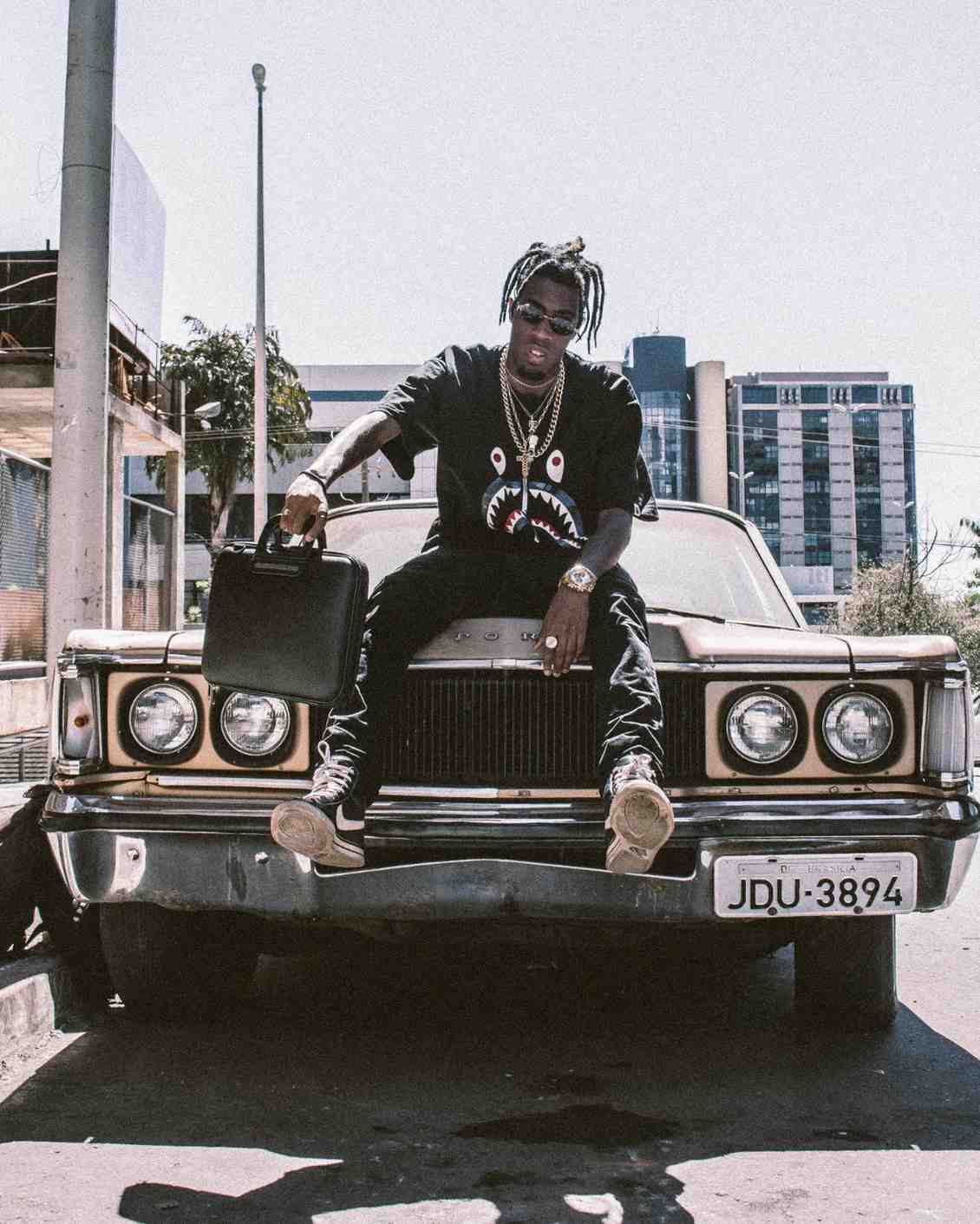
This dynamic means Black men may be represented as strong in one respect, but stripped of vulnerability and complexity. Some of the visual tropes of threat become internalised or resisted in identity formation.
Alternative, Resistant and More Nuanced Representations
Visual Culture, however, is not just constrained to prejudiced social norms. They also offer ample possibilities for resistance, subversion and re-imagining the whole POV around black masculinity. On a closer look, black masculinity is not only a representation of Culture, tradition and racial history but also a significant influence in the world of art, photography, authorship, etc. These have been shifting the visual production of this race as well.
Televised black male in films and digital Culture exude emotions, vulnerability, collaboration and care, contradicting the very image of hyper masculinity, that is the standard notion. Furthermore, new scholarships argue that visual content is also the source of reducing racial and gender biases for viewers. The fashion and digital media industry has seen a rise in more racially inclusive and diverse trends that help a lot in reducing bias. (arXiv)
Implications for Identity, Culture and Social Change
Any kind of media has a weighty impact on the thought process of regular folk, and the same goes for the way Black masculinity is visually represented. It matters for their self-understanding and their identity. It is wrong to paint them as aggressive, hyper or even criminal-minded (in some instances) when in reality they are the same as other human beings on this planet. This limits their freedom to explore and express themselves fully. Visual Culture, thus, is one site of both oppression and empowerment.
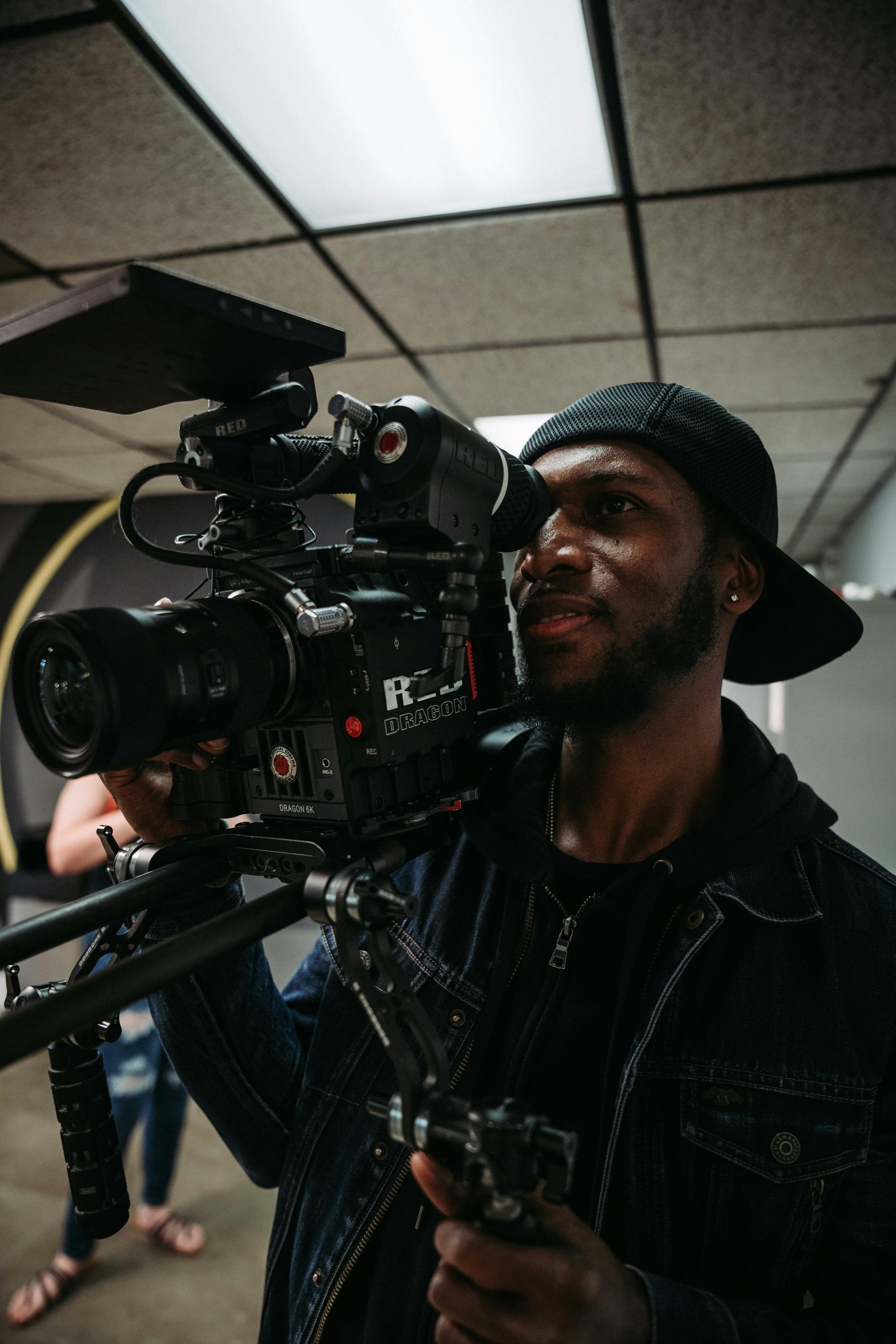
For cultural and institutional change, the key is not simply more representation but different representation: images that show complexity, vulnerability, ordinary life, varied masculinities within the Black male experience. Media literacy, critical engagement with imagery, and increased agency of Black creators matter.
Conclusion
Mere personal or social factors do not shape black masculinity; it is the culmination of a vast cultural history. However, the interference of media in the form of images, languages and visuals has reinforced the narrow stereotypes of a race that is identified today as the Black identity. It is related to being “hyper-masculine”, a monolith and even a threat. By understanding that visual cultures are just a part and not the whole of the Culture and community that Black men are, we can bring about the wave of equality. We can work toward imagery and stories that not only show the Culture but showcase black men in an aura of strength, Culture, individuality and tradition.