Introduction
Imagine mandatory training in Monday morning sessions. The training begins, yet the attention in the room is clearly elsewhere. The session feels more like something people need to get through than something they want to absorb. Then a slide about unconscious bias appears, followed by a short online test. By lunchtime, the certificate is already sitting in everyone’s inbox. Six months later, how much of that training will people actually remember or apply? A shoulder-shrug would probably be the most common answer.
This isn’t a critique of the organizations designing these trainings. Instead, research has consistently shown that, when delivered in the traditional format, many diversity and inclusion trainings fail to achieve lasting impact.

Source: Pexels
Why Most Diversity and Inclusion Training Doesn't Work
Harvard sociologist Frank Dobbin and Tel Aviv University's Alexandra Kalev spent years digging into this exact question. Their analysis, pulled from 829 companies tracked over three decades, found something that the standard toolkit, comprising mandatory diversity training, hiring tests, and rigid grievance systems, often correlated with fewer women and minorities in management. Not more.
The mechanism isn't mysterious once it's laid out. Force someone into a room to be told they're probably biased, and lab studies show plenty of people respond with irritation instead of insight. Dobbin and Kalev found that mandatory sessions can activate the very bias they're meant to reduce, sometimes leaving people more resistant afterward than before they walked in.
The Problem With Mandatory Sessions
Compulsory attendance solves a legal problem more than a cultural one. It gives a company a paper trail: everyone completed the course, without asking whether anyone's actual behavior shifted. People answer multiple-choice questions about bias correctly on a Monday and forget them by the following Monday, because a few-minute module can’t undo years of habit on its own.
What Works Better Than a Slideshow
Make It Voluntary
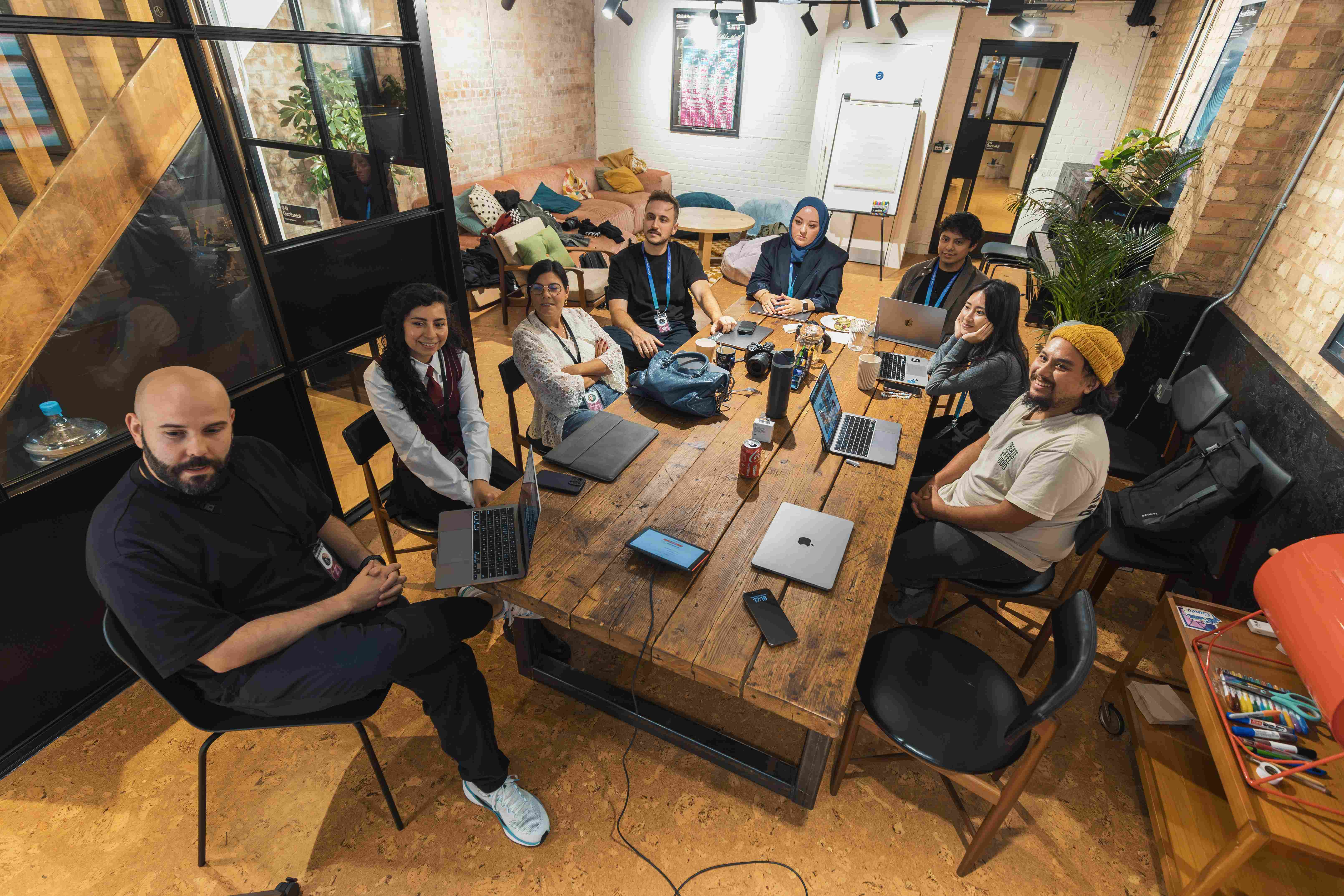
Dobbin and Kalev's data points are specific: voluntary training consistently outperforms mandatory training. When people opt in instead of getting assigned a calendar invite, they show up wanting to learn something, rather than waiting for it to end. It sounds like a small design choice that changes the entire emotional tone in the boardroom.
Source: Pexels
Mentoring Does What a Workshop Can't
The same research found that structured mentoring programs move the needle further than almost anything else companies try. On average, they boosted representation of Black, Hispanic, and Asian-American women, along with Hispanic and Asian-American men, in management by 9 to 25 percent. A workshop teaches a concept: a mentor relationship changes who gets pulled into a room, whose name comes up for a promotion, and who has someone in their corner when a decision is being made without them present.
Belonging Is the Finish Line.
Here's the distinction that often gets lost. Diversity and inclusion training is a means to an end, and the end isn't a completion certificate. It's belonging, whether people actually feel like they're part of the place they work, not just present in the room.
BetterUp put numbers behind that feeling in a 2019 study of nearly 1,800 full-time employees. Workers with a strong sense of belonging showed a 56 percent jump in job performance compared to workers who felt excluded, alongside a 50 percent drop in turnover risk and 75 percent fewer sick days. They were also 167 percent more likely to recommend their employer to someone else. Scaled up, the researchers estimated a 10,000-person company could be leaving more than 50 million dollars in productivity on the table simply by failing at belonging.
Training can plant a seed. It can't manufacture that feeling by itself, and treating it as the whole strategy is exactly how companies end up with a completion rate and nothing else to show for it.
What Actually Builds a Culture of Belonging
Training works best as one piece of something bigger, not the entire plan. A few things tend to separate companies that genuinely shift culture from ones that check a box. Accountability beats good intentions. Dobbin and Kalev found that companies assigning a specific person or task force responsibility for diversity outcomes, rather than leaving it as everyone's vague job, saw real movement. When no one owns a metric, no one's really accountable for whether it improves.

Pexels: Source
Belonging has to survive outside the training room. Employee resource groups, sponsorship that goes beyond a one-off mentoring match, and managers who are evaluated in part on how their teams experience inclusion all keep the work alive between sessions instead of packing it into a single afternoon.
People need to feel safe enough to actually show up as themselves. This overlaps heavily with psychological safety, the sense that speaking honestly won't cost you your standing. A culture of belonging and a psychologically safe team tend to go hand in hand, because both come down to the same underlying question: can people be honest here without paying for it? Real change doesn't happen in a single session, no matter how well designed. It shows up in whether the year after the training looks any different from the year before it.
Conclusion
The problem is treating Diversity and inclusion training as a self-contained solution. The research is fairly blunt about what doesn't work: mandatory sessions, one-time workshops, programs built to satisfy a legal department rather than change a culture. What holds up instead is slower and less flashy: voluntary learning, real mentorship, clear accountability, and a genuine effort to make belonging something employees feel, not something a company claims. Get that right, and the training stops being the finish line. It becomes the easiest part of the whole plan.