Feminism gets misconstrued a lot, so people often get the wrong idea about who is a "true feminist." Basically, it's about equality and justice regardless of your experiences or background. When people ask Who is a true feminist, stereotypes and several clashing views still blur its real intentions, pushing aside key perspectives that are involved in the progress of ideology.
This article addresses the core question Who is a true feminist, clarify myths, while showing its inclusivity and changing nature. Looking back at where it started, how it connects with current issues today, yet offering real steps to get involved - readers can see how feminism crosses lines, turning into a key driver for deep, long-term shifts in society.
What Defines a True Feminist? Who is a True Feminist in today’s world?
The core of a “true feminist” centers around equality, inclusivity and treating people right. As years passed, feminism also changed to include culture, race and different societal context showing that it is an evolving concept not a static one.
What does feminism really mean today?
Feminism in 2025 is recognized with a firm focus on promoting fair rights and chances for all of the genders. A main issue is still equality where the movement seeks to unravel the power hierarchies that directly or indirectly harm women as well as other minorities and groups that are marginalized.
One of the issues modern feminism points out is the layering of race, gender, and class in society. A case in point is income inequality that in a way is directed towards women of color because of the triple whammy of factors working against them. Feminism, by tackling these layers of disadvantage, is building systems that will be equally beneficial for all people-showing clearly Who is a true feminist.
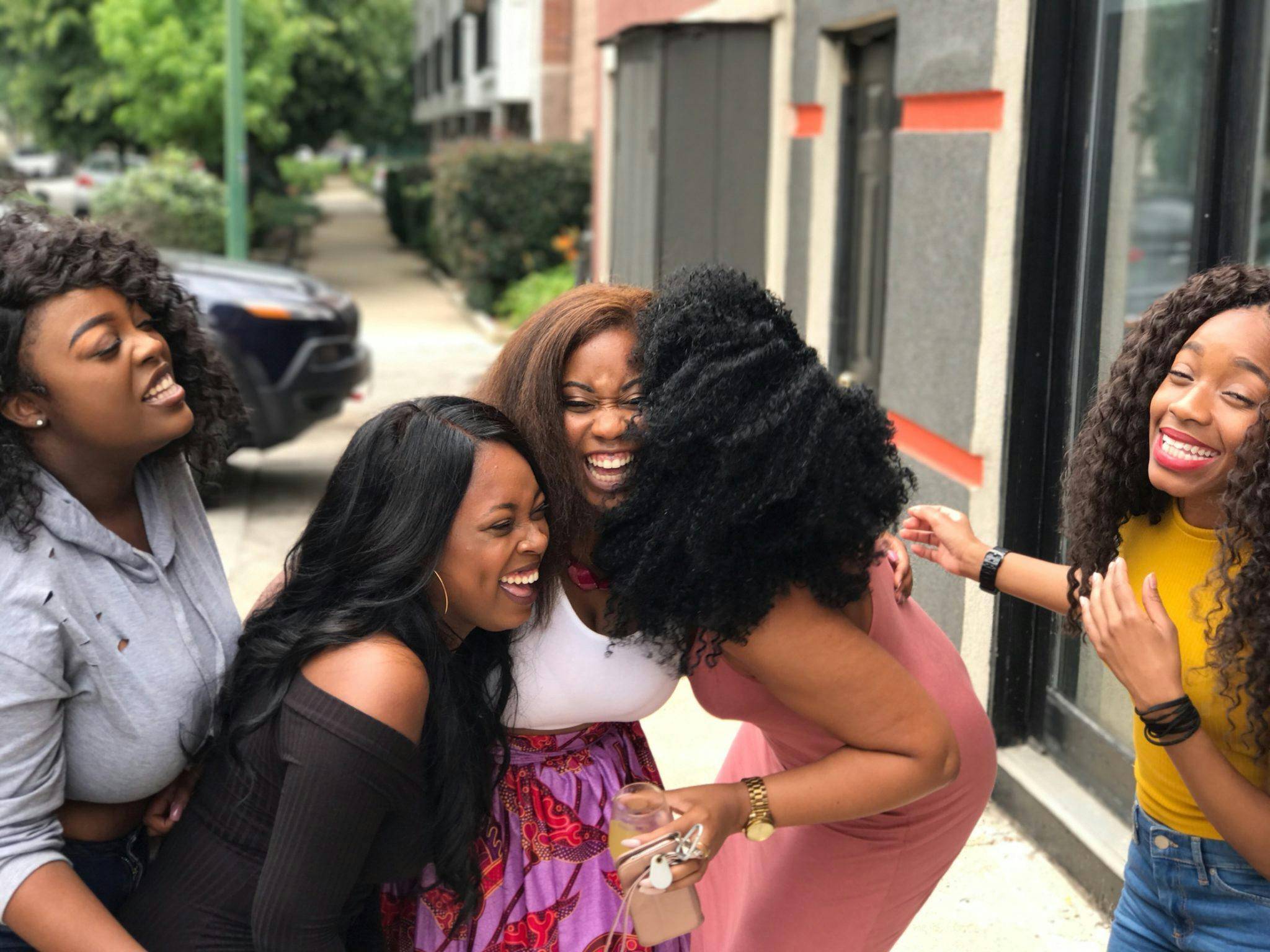
What does it entail to be a feminist?
To be a modern and true feminist means to always be respectful for individual autonomy and choice, supporting practices and policies that set people free from discrimination. Personal beliefs, such as the sense of justice or the support of reproductive rights, are similarly aligned with feminist ideals. Even small, everyday actions reveal Who is a true feminist in practice.
A feminist does not necessarily need to play the role of an activist—the silent but effective actions like backing fair workplaces rules or disputing harmful narratives are significant parts of the movement.
Can men be feminists?
Feminist movement does not only accept men but considers them as necessary allies in the fight for gender equity. Male allies open the door to broad discussions, contest the dominant norms and raise the priority of feminist issues.
Actionable steps guys can take to back feminism look like this:
- Promoting equal parental leave policies
- Speaking up on their platforms about gender discrimination
- Learning how inequality systems work, while figuring out ways to challenge them
These steps illustrate Who is a true feminist in action.
Myths and Misconceptions About Feminism
The misconceptions linked to feminism have been a barrier to the movement, projecting an unjustly negative and unreal image of its aims and objectives. These erroneous ideas hinder the support of more people in the movement.
What are the most common misconceptions about feminism?
A common misunderstanding? That feminism hates men. But really, it's aimed at breaking down the toxic system that affects every gender not to undermine males. To rethink how society works so things get better for everyone.
Another misconception about feminism is that it cannot coexist with traditional values, like family or religious beliefs. In fact, learning who is a True Feminist involves seeing that feminism promotes individual choice and thus makes it possible for people to live by their own values while also receiving feminist support in the form of the broad fight for equality.
The myth of the “one true feminism”
The notion of “true feminism” being the only one is a view that diminishes the diversity of the movement. In fact, feminism has gone through a lot of changes, and those changes even include the specific needs of regions, cultures, and generations, thereby making it relevant in a variety of situations.
A 2024 report of the Global Women’s Studies Consortium revealed that in countries with strong labor movements, women’s rights at work are the top feminist priority, while ensuring safety and obtaining justice are the major concerns in regions where gender-based violence is rampant. Understanding this adaptability highlights who is a true feminist globally,emphasizing the movement’s relevance across culture.
Explaining feminism: Why it’s not a competition
Feminism is a dynamic concept, which is the reason why it has its tenets interpreted in different ways all over the world. Moreover, by making a place for different opinions, the feminists show that different views can live together and even support each other in driving the change. The movements across the globe are not only opening their arms to the new ideas but also creating pathways for those who have been sidelined for a long time.
Feminism and Inclusivity: Who is a True Feminist in an Intersectional World
Feminism's main goal is to empower the oppressed, and it does so through the lens of intersectionality, which is the very framework for dismantling the inequalities embedded in the systems. The current feminist movements make it a point that the non-privileged are always part of the advocacy.
How does intersectionality shape feminism?
Intersectionality brings out the different layers of oppression that are connected and vary with respect to gender, race, sexual orientation and economic situation. Feminism that fails to take these layers into consideration can cut off important voices and insights. Working on systemic inequities, like those in healthcare or income, necessitates being loud and clear in the advocacy of the most affected categories.
Why is inclusivity integral to feminism?
Inclusivity is what makes feminism a global movement open for all to participate to various extents. Centering marginalized voices in decision-making allows feminist leaders to adopt more inclusive forms of activism. From ground-level campaigns to intergovernmental programs, inclusiveness is the main cause of solidarity and common goal.
The same thing is true with the individuals, they can also be the source of diversity by supporting the people that are dealing with intersectional issues and by giving out the unrepresented voices.
Real-world examples of inclusivity in feminism
#HeForShe is one of the movements that has shown the world the power of inclusiveness for a global impact. The campaign brought together both men and women in 90 countries to push for gender equality through institution-level commitments. In the same way, UN Women is on the ground, dealing with diverse issues like forced labor and education access, which are often where the most marginalized populations are reached.

Why Feminism Still Matters
Feminism is still a major force to reckon with in the struggle against structural inequities that are still present all over the world. Recognizing who is a true feminist helps understand why advocacy for equity in the workplace, access to education, and fairness in society, thus ensuring that the whole human race will benefit from this progress, both the living and those to come.
Why is feminism still important in 2025?
Discrimination, wage gaps, and low political representation are among the social problems that point to the relevance of feminism. Unevenness in women's pay on a worldwide scale was reported by a United Nations study in 2023, saying that women continue to get paid, on average, 20% less than men for the same job—a situation that calls for more advocacy work to be done.
In addition, feminism is a role model that shows how to set up a just world by giving power to the underprivileged, a prerequisite to the spread of inclusive learning throughout nations.
How do you know if someone is a feminist?
A present-day feminist is one who embodies both a conviction and an act. Whether it is public advocacy or quieter efforts, feminists always stand for justice, fight against injustice, and push for system change. While direct activism is powerful, women's daily small acts still reflect engagement with feminist values.
Feminism needs everyone: How you can engage
For feminism to grow, joint efforts and participation of individuals is needed. Little efforts have a real and obvious impact in the movement- reflecting who is a true feminist in practice.
- Learn about international and local feminist movements
- Support diverse voices by amplifying them on your platform.
- Fund organizations focused on equitable societal reform, such as the National Women’s Law Center
- Join conversations that encourage equality of rights.
Historical and Cultural Context: Back to Basics
To understand feminism right, it is important to recognise the origin and how much it has changed over time. Early movements like the suffrage campaign reveal who is a true feminist historically. These histories keep things real while showing what activists can learn from and advocate on in future.
Have we forgotten what feminism really means?
Looking back at early feminist writings and actions shows the movement has always advocated for change,helping us reflect who is a true feminist across different eras. Highlights like suffrage movements and legal victories show how feminism has contributed to rights that we take for granted nowadays.
Feminism across different cultures and timelines
Feminism around the world shows different faces in varying communities owing to their specific cultural pasts. To illustrate, the case of Scandinavian countries lies in the aspect of gender equality in the political arena, whereas South Asia regards the accessibility to education as a feminist concern. The universal values connecting these discrepancies can be seen in significant happenings like the UN's acceptance of CEDAW in 1979,reinforcing evolving ideas of who is a true feminist across culture.
Actionable resources for deepening your understanding
To explore different feminism ideas:
- Read classic books like "The Feminine Mystique" or "Ain’t I a Woman?" - they open doors to historical viewpoints.
- Listen to fresh perspectives on podcasts such as "The Guilty Feminist," where different views on today’s feminism are shared.
Feminism's inclusiveness denotes that who is a true feminist is for anyone committed to justice. No matter how small, dispelling stereotypes, recognizing differences, and taking even small steps, everybody can pass on the transformative power of feminism. Working together and acknowledging different aspects of the movement help it to adapt and grow in line with global demands. Knowing its flexibility and aim, you might already be in tune with feminist values— this just emphasizes that feminism indeed belongs to all who are ready to push for equitability.