Imagine scrolling through your phone, opening a chat window and finding your favourite fictional character or a disturbingly accurate mimic of a living author ready to answer questions in their voice. These “character chatbots” feel like fan fiction come alive: instantly accessible, endlessly patient, and frighteningly familiar.
For creators, writers, illustrators, filmmakers, even journalists that intimacy raises a basic, urgent question: in an era when companies train models on vast troves of text and then let users “speak” to simulated voices and personalities, who really owns the work?
The Technical Magic And The Legal Problem
Generative AI models are trained on massive datasets scraped from the web, books, articles, scripts and sometimes licensed corpora. The models don’t store exact copies in neat folders; instead they learn statistical patterns that let them produce new sentences, images or simulated voices. That technical distinction “trained on” versus “copying” is at the heart of current legal fights.
Alt text: AI written on a board
Image credit: Unsplash
Tech companies argue that model outputs are new, transformative works, while creators say the training process used their copyrighted material without permission or compensation. The debate is not merely theoretical: dozens of lawsuits and government inquiries around the world are trying to pin down where the line should be drawn.
What Recent Reports And Courts Are Saying
In the United States, the Copyright Office has published multi-part reports exploring whether AI-generated work can be copyrighted, and what rights (if any) accrue to human authors who use or prompt the tools. Those reports stress that human authors can claim copyright only for their own contributions, and that applicants must disclose AI involvement when registering works. At the same time, the Office is wrestling with whether using copyrighted works for model training should count as fair use, a question courts are actively litigating.
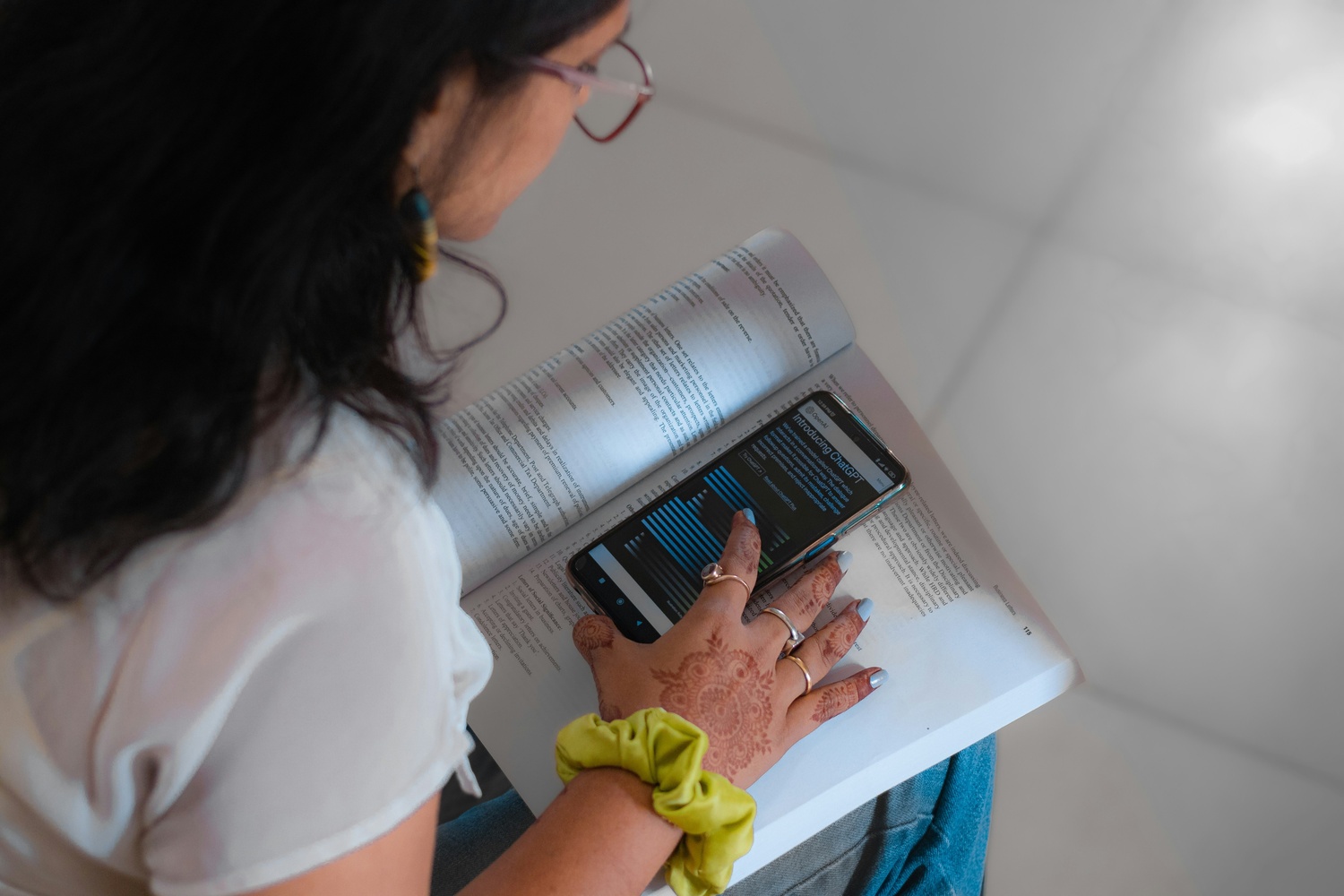
Alt Text: woman using ai on phone
Image credit: Unsplash
Meanwhile, litigation and settlements have been shaking the industry: major publishers, authors and media companies in multiple jurisdictions have sued companies alleging unlicensed use of text and images for training. In some recent, high-profile actions, courts have accepted arguments that training can be transformative in certain circumstances; in others, parties have settled or pursued claims tied to pirated datasets.
These legal outcomes are inconsistent enough that many creators feel vulnerable that their texts and characters can be used to “teach” models that then recreate style, plot beats, or even persona-like chat experiences.
The Special Case Of "Character Chatbots"
Character chatbots are an especially thorny subset of generative tools because they can be configured to mimic a specific voice, tone, backstory, or recognizable lines from a copyrighted work or to impersonate a living person.
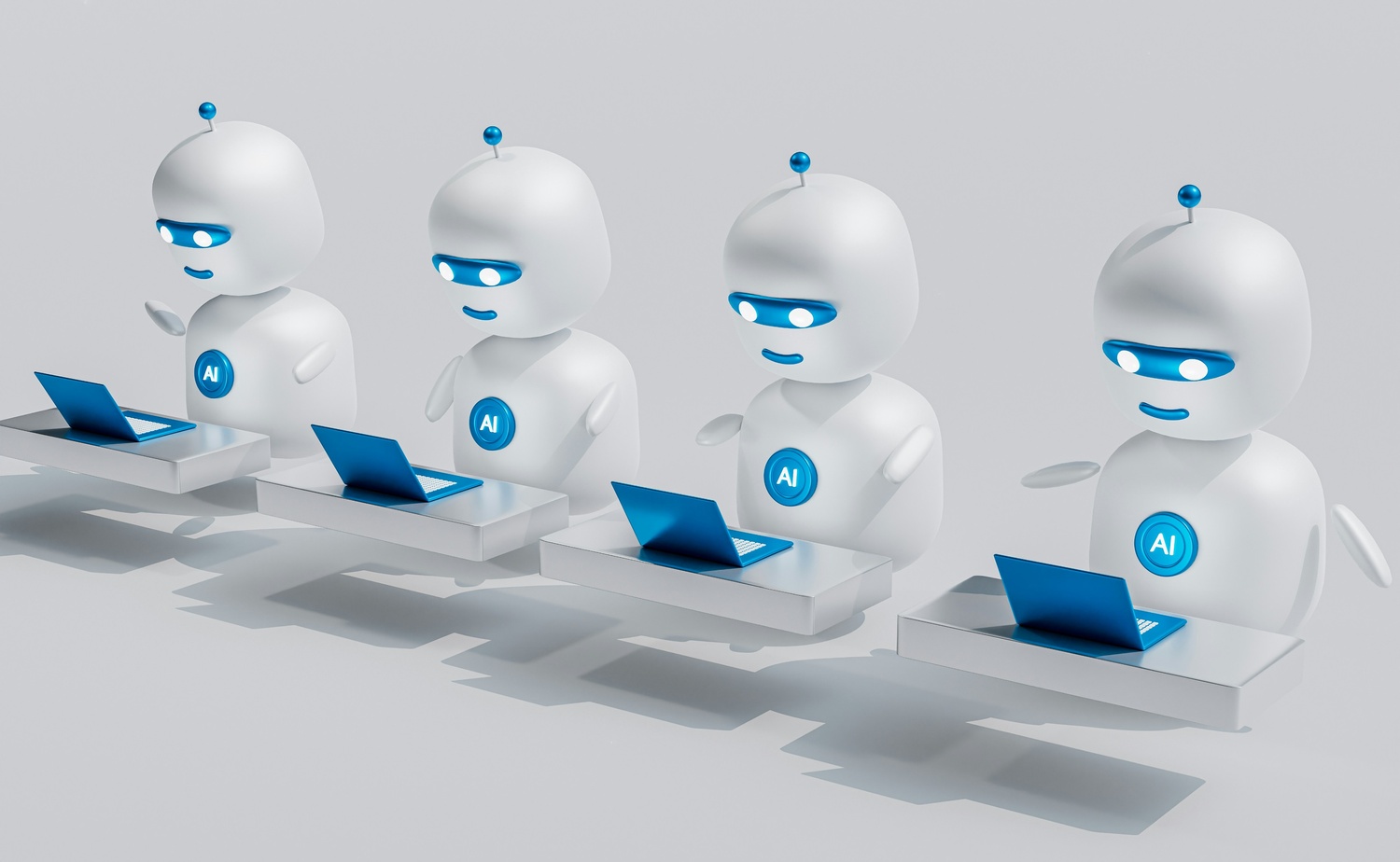
Alt Text: a group Ai chatbots
Image credit: Unsplash
That triggers multiple legal doctrines all at once: copyright - does the chatbot reproduce substantial parts of a protected work? moral rights, does it distort an author's intended expression? and right of publicity or personality rights - does it exploit a living person's persona for commercial gain? Studios and publishers, among other entertainment companies, have increasingly fought back, filing lawsuits or calling for takedowns when platforms simulate characters that are proprietary.
What Creators Can Reasonably Expect To Retain
Short answer: a lot, but not complete control. Copyright still protects original expression: a novelist’s plot, a songwriter’s lyrics, a painter’s composition remain legally theirs. What is changing is the enforcement landscape and the practical ability to prevent derivative or mimicry-style outputs. When a chatbot produces text that is clearly a close paraphrase or rehash of protected material, creators have legal remedies.
But when outputs are merely “in the style of” capturing cadence, themes, or tropes without copying verbatim courts and regulators are still split on whether that’s infringement. The Copyright Office’s guidance and recent court rulings make clear that creators’ rights are not gone but they’re under pressure from a technology that thrives on vast datasets and ambiguous boundaries.
Policy Response Around The World: India, UK And Beyond
Governments are waking up. The UK launched consultations in 2024-2025 to rebalance training exceptions and possibly create mechanisms for rights-holders to opt out or be compensated; the idea is to permit innovation while protecting creators. India, too, has moved from silence to action: courts and regulators are examining claims against AI companies, and a government panel has been convened to review the Copyright Act in light of AI.
New rules on labelling AI content are also being proposed in some jurisdictions to increase transparency. These national moves show that legal frameworks are being actively retooled but legislative processes are slow, and creators often face long waits for clear protections.
Practical Steps For Creators Today
While law and policy catch up, creators have practical options:
Contract and licensing
When possible, negotiate explicit terms for how your work can be used by AI firms or platforms. Licensing remains the most reliable protection.
Digital provenance and tech tools
Watermarks, metadata, and emerging provenance standards (designed to trace whether material was used in training) can strengthen claims and help platforms comply with takedown requests.
Platform policies and enforcement
Push platforms to adopt better rights-management and clear opt-out mechanisms; public pressure can change platform behavior faster than courts.
Community action
Collective bargaining through unions, guilds or publisher coalitions can help creators bargain for compensation and clearer consent frameworks.
Creativity Isn’t Dead But It Needs New Guardrails
AI doesn’t remove authorship overnight. Human creativity still matters: the choices, lived experience, cultural perspective and craft that creators bring are not easily replicated by a model trained on aggregated patterns. But the value of that creative labour is at risk of erosion if the market normalises free use of copyrighted material for training without consent or fair remuneration.
The reasonable path forward is not to blunt innovation which has real cultural and economic benefits but to design rules that respect creators’ rights while enabling responsible AI development: licensing markets, transparency about training data, better platform tools for opting out, and clearer disclosure when content is AI-enhanced.
The alternative is a world where your novel, your song, or your signature character can be reconstituted into countless chat sessions without your say-so legally ambiguous and economically unrewarding.
For now, creators still own their work. The battle is over how strongly that ownership is protected in practice, and who gets paid when algorithms repurpose creative labour. If recent reports, litigation and government reviews are any guide, the next two years will be decisive and creators who know their rights, gather allies, and insist on clear contracts will be in the best position to protect both income and artistic integrity.